ROBOTICS
Physical AI, robotic systems, and the companies compressing the gap between prototype and production deployment.
Robotics is entering a new era — one defined less by mechanical engineering and more by the AI models and sensor stacks that allow machines to operate in unstructured environments. This subcategory tracks the companies and technologies compressing the timeline from lab demonstration to production-scale deployment, with a focus on where physical AI is creating real commercial leverage versus where the hype is running ahead of the hardware.
Subcategory Articles
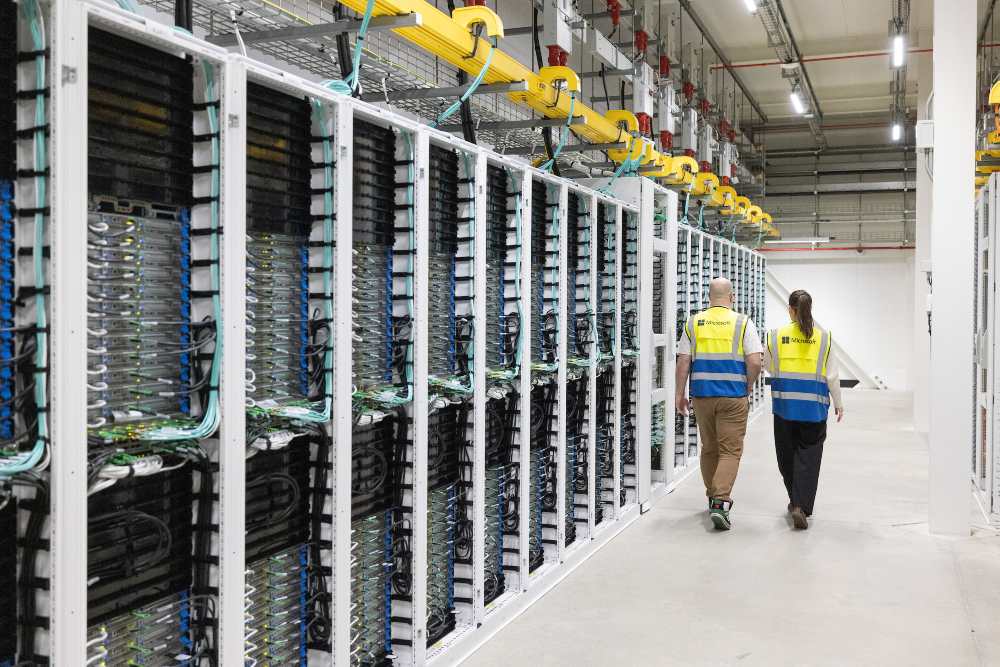
Green Automation: Can Bio-Inspired Robots Pay Their Own Carbon Bill?
Automation is sold as efficiency — but every robot has an energy and materials bill. Bio-inspired design and circular-economy thinking ask the harder question: does the robot pay it back?
Key Takeaways
- Robotics has a real environmental cost in energy and materials; the honest question is the net balance — whether a robot saves more than it consumes over its life.
- Bio-inspired robotics borrows nature's solutions — efficient locomotion, soft and adaptive materials, minimal energy use — that evolution already optimized for resource constraints.
- Circular-economy design treats robots as recoverable assets: built to be repaired, upgraded, and recycled rather than discarded, shrinking the materials footprint.
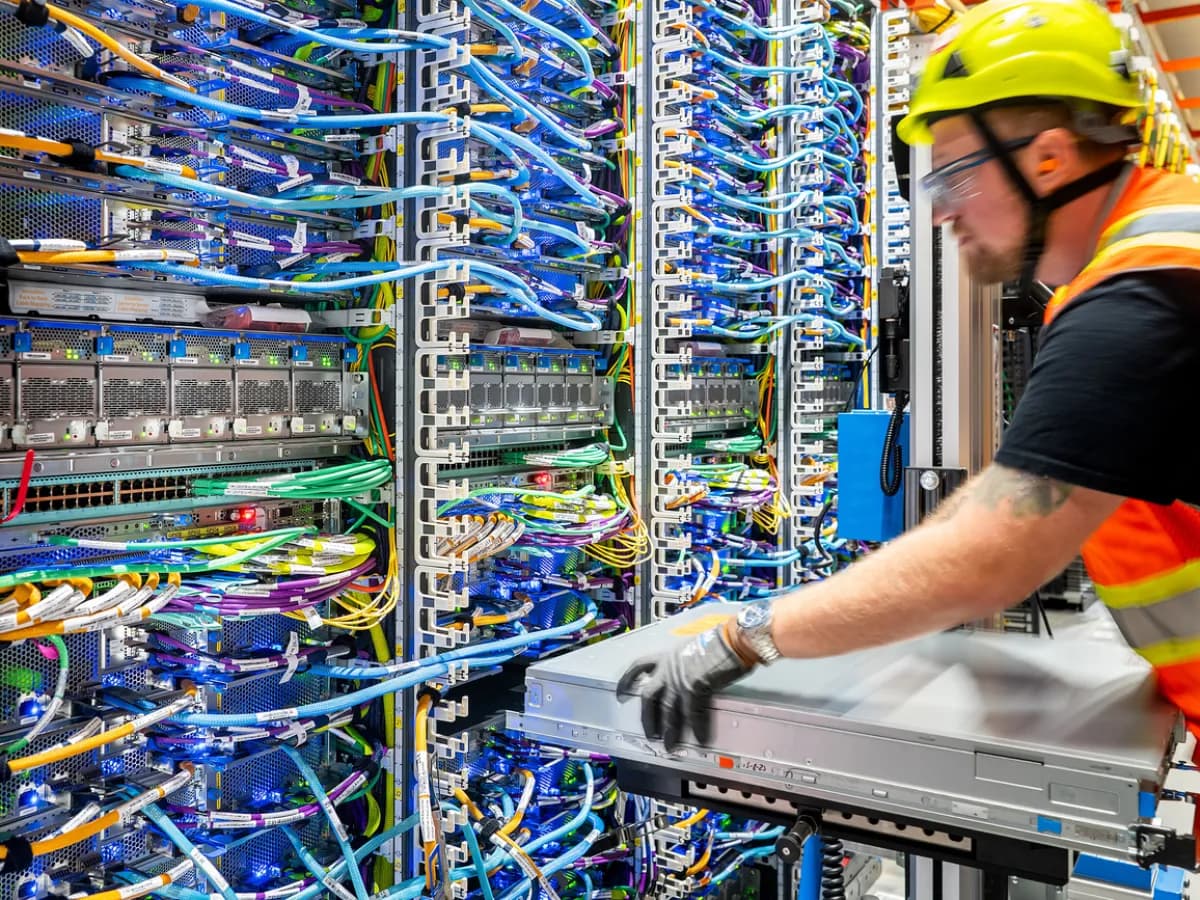
Sharing Space With Machines: Spatial Intelligence and the Robots That Explain Themselves
The factory cage kept humans and robots apart. As machines move into shared human spaces, two unglamorous capabilities decide whether that w...
Read Article →The Humanoid Renaissance: How Foundation Models Gave Robots Hands
For decades robots could move but not understand. Multimodal foundation models flipped that — and the result is a humanoid renaissance built...
Read Article →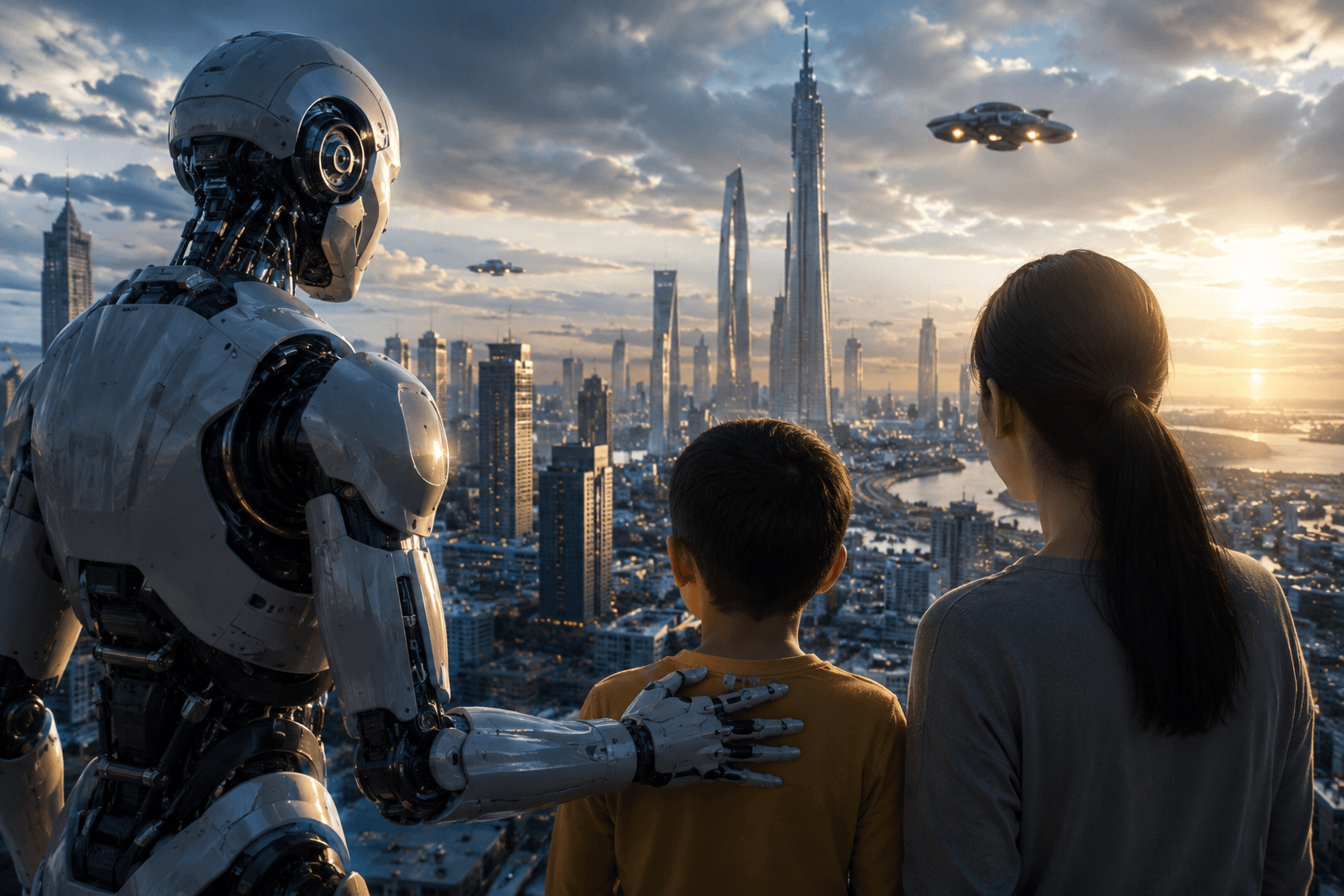
The Future of Robotics: How Intelligent Machines Will Transform Humanity
Foundation models meet physical hardware. Humanoid robots. $15T GDP impact. The civilizational stakes of building minds that move.
Read Article →