RESEARCH
Where primary sources meet original analysis — long-form research on markets, technology, and economics.
Why “research” means something specific here
"Research" is one of the most abused words in online publishing. A summary of three threads is not research. Here it means something specific: original analysis built on primary sources, with the methodology visible and the conclusions held open for revision.
What we publish
Every piece starts from the source material, not someone else’s summary of it.
- AI coverage drawn from arXiv preprints, lab technical reports, and peer-reviewed work — read in full before we write about a model or capability.
- Technology analysis that tracks patents, regulatory filings, and corporate disclosures, and follows the researchers whose work reaches production years later.
- Economic analysis that engages academic economics as a tool — covering forecasts with explicit attention to methodology and historical accuracy.
Our standards
Rigor is the difference between an opinion and a finding.
- Methodology is visible: we show how a conclusion was reached, not just the conclusion.
- Disagreement is specific: when we reject the mainstream reading of a result, we say exactly why.
- Uncertainty is honest: we are explicit about what we do not yet know.
What we don’t do
Long-form is the default — and length is earned, never padded.
- No rewriting of other people’s takes.
- No summarizing threads and calling it research.
- No padding a 1,200-word idea to 4,000 for word count — or compressing a 4,000-word subject to fit a template.
Latest Deep Dives
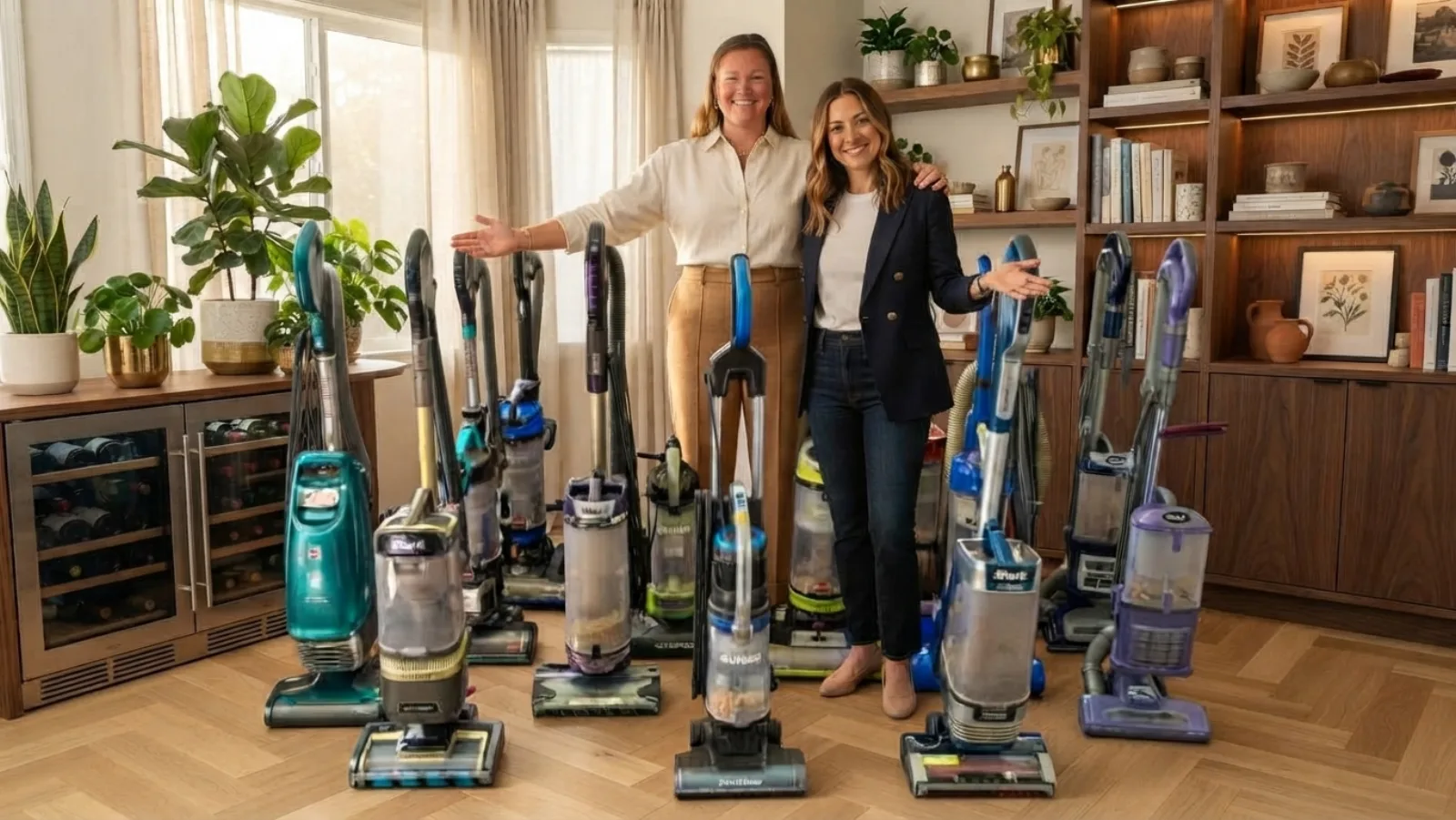
Vacuum Cleaner Buying Guide: 113 Questions Answered
Quick answers to the questions shoppers ask most before buying a vacuum, each linked to the full guide on BestVacuumCleaner.co.
Key Takeaways
- There is no single best vacuum: cordless sticks suit most apartments, uprights suit carpet, and robots suit daily upkeep.
- Look at airflow (air watts) and measured cleaning performance, not motor wattage or marketing numbers.
- Shark wins on value and Dyson on premium cordless performance; Miele and SEBO lead for long-lasting corded machines.
Best Vacuum Cleaners: Expert-Tested Picks for Every Home
The best vacuum is not the one with the biggest suction number. It is the one that solves your actual cleaning problem with the least compro...
Read Article →
What Design School Doesn't Teach You: 10 Career Lessons
Design school teaches you how to make things. Everything around the work — business trade-offs, clients who don't speak design, briefs with ...
Read Article →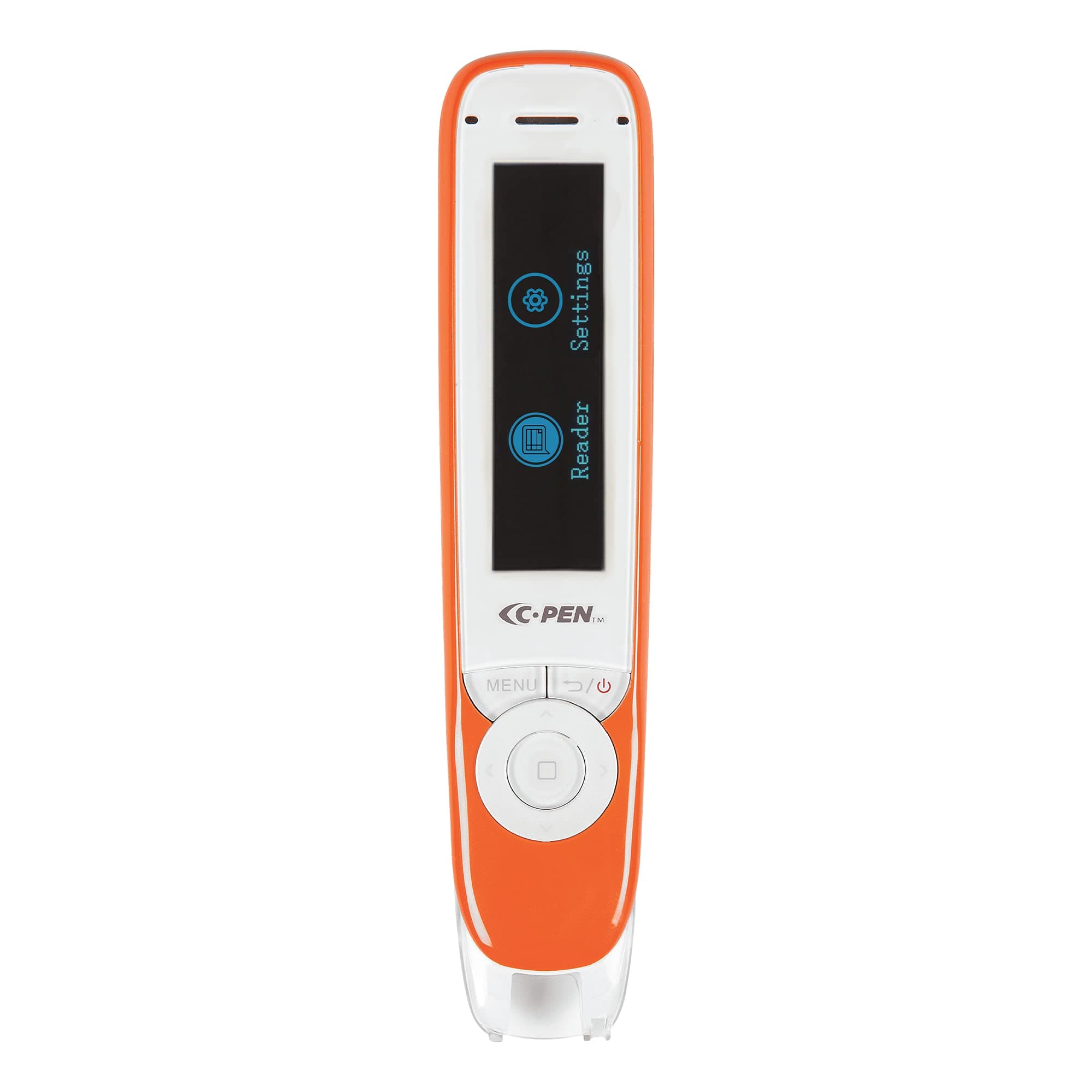
C-Pen Review & Buying Guide: Which C-Pen Reader Is Right for You?
C-Pen is a five-device ecosystem, not a single product. Here is how Reader 3, Exam Reader 2, Lingo 3, and Secure Reader 2 actually compare —...
Read Article →
Who Is Liable When an AI Agent Fails
California now bars companies from blaming "autonomous AI" for the harm it causes. The EU AI Act mandates the paper trail that proves who wa...
Read Article →
The ChatGPT Design System Architecture
Why radical subtraction and typography-first hierarchy make ChatGPT the gold standard of conversational AI interfaces.
Read Article →