AI TOOLS
The applications, platforms, and developer tools being built on top of AI infrastructure — evaluated for real-world utility.
The artificial intelligence tooling landscape expands at a pace that quickly degrades conventional product reviews. Weekly model refreshes, shifting API token economics, and rapid commoditization mean that evaluating tools requires an architectural framework rather than a feature checklist. We evaluate tools across three structural layers: base foundation interfaces, developer orchestration environments, and autonomous agent systems.
Our coverage cuts through vendor demos to measure latency, accuracy boundaries, meter pricing risks, and production lock-in.
Developer Workflows & Agentic Coding
Developer productivity tools have progressed from passive autocomplete into agentic coding environments capable of terminal execution and multi-file refactoring:
- Architecture & Stacks: Understand the structural hierarchy of modern tooling with the three layers of the AI tooling stack.
- Tooling Teardowns: Read our empirical analysis in the AI coding tools landscape: from toys to essential infrastructure and our evaluation of AI tools in 2026: what works vs what is overhyped.
- CLI & Autonomous Agents: Explore dedicated agentic environments in Claude Code review: a capable agent with an unpredictable meter and GitHub Copilot review: from subscription to meter.
Multimodal Generation & Voice Synthesis
Generating audio, video, and synthetic media at scale introduces distinct unit economics and copyright governance:
- Synthetic Audio: Examine speech generation unit costs and latency profiles in ElevenLabs review: AI voices, cloning, and dubbing on a credit plan.
- Operator Playbooks: Transition from prompt engineering to system integration with the rise of generative AI: a practical operator guide.
Enterprise Decision Systems & Enterprise Search
Evaluating information retrieval tools requires testing hallucination rates, citation fidelity, and context window limits:
- Academic & Systematic Retrieval: See our benchmark on academic synthesis in Consensus review: good at finding papers, weak at systematic review.
- Curated Business Intelligence: Analyze semantic layer boundaries in Databricks Genie review: accuracy is curated, not shipped.
- Model Benchmarks: Compare foundational reasoning across top frontier models in Gemini vs ChatGPT vs Copilot: which AI is best?.
Subcategory Articles
Databricks Genie Review: Accuracy Is Curated, Not Shipped
Genie lets business users ask data questions in plain language and get SQL-backed answers. Databricks' own guide shows how much of the accuracy comes from the curation work, not the model.
Key Takeaways
- Genie is Databricks' natural-language analytics layer. Users ask questions and Genie generates SQL over data governed by Unity Catalog.
- Databricks' own case study reached 54 percent benchmark accuracy after early iterations and 100 percent only after five rounds of curation, and it says 100 percent may not be possible in every case.
- Databricks says there is no "silver bullet" for configuring a Genie space and suggests benchmarks should be above 80 percent before user acceptance testing.

ElevenLabs Review: AI Voices, Cloning and Dubbing on a Credit Plan
ElevenLabs turns text into natural speech, clones voices from a short sample and dubs video. The same short-sample cloning is the risk: the ...
Read Article →
Consensus Review: Good at Finding Papers, Weak at Systematic Review
Consensus answers research questions from peer-reviewed papers and links the studies it uses. Independent studies say it is useful for disco...
Read Article →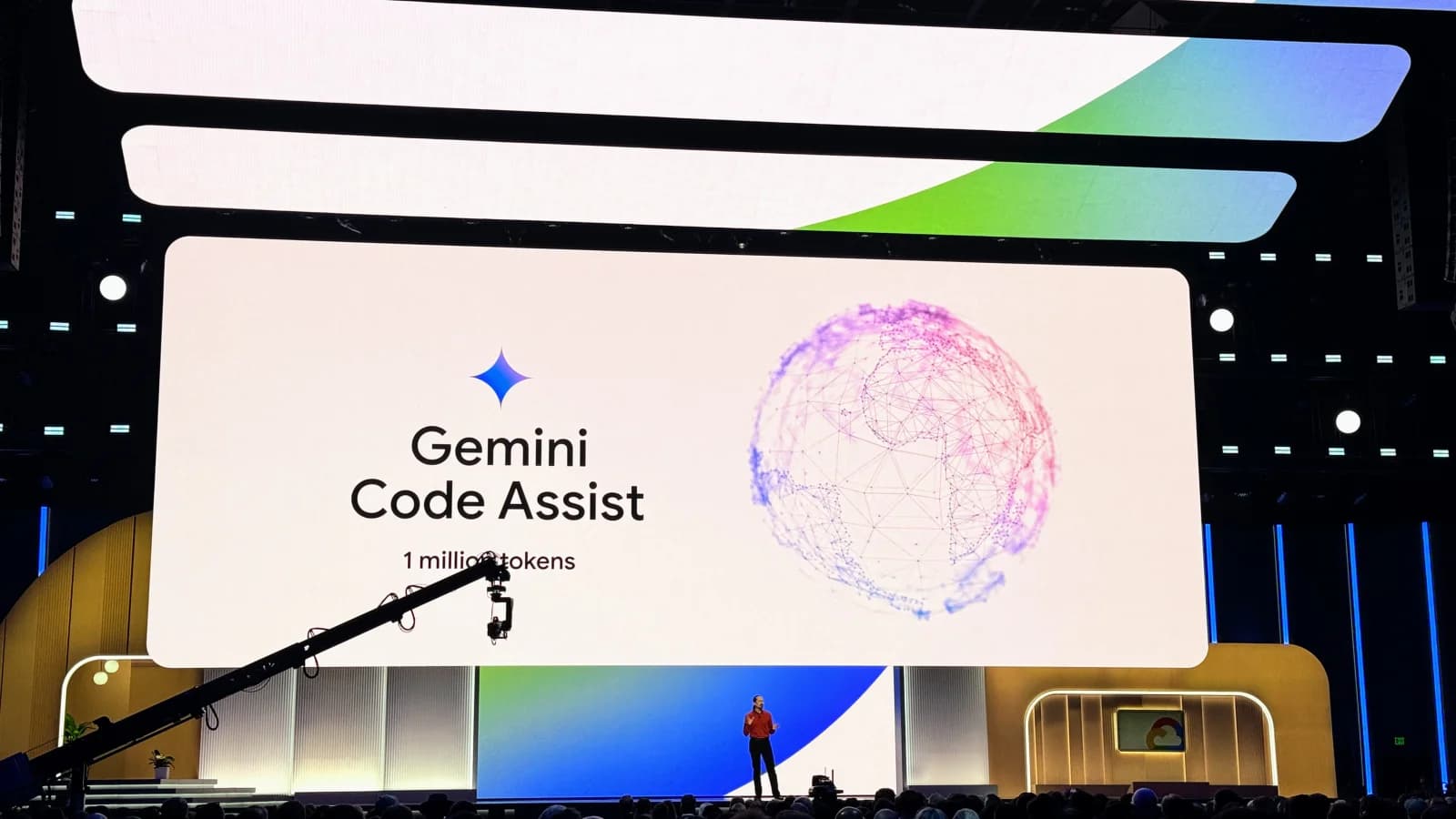
Gemini Code Assist Review: Google Has Stopped Selling It
Google ended new Gemini Code Assist subscriptions on 9 October 2026 and says auto-renewal ends in 2027. For anyone choosing a coding assista...
Read Article →
GitHub Copilot Review: From Subscription to Meter
Copilot is still the easiest agent to add to the editor you already use. Since June 2026 chat and agent work is billed in credits at model A...
Read Article →
Claude Code Review: A Capable Agent With an Unpredictable Meter
Claude Code is one of the strongest ways to hand multi-file work to an AI agent. The catch is the meter: usage limits changed several times ...
Read Article →
The AI Coding Tools Landscape: From Toys to Essential Infrastructure
Over 84% of developers now use AI tools daily, and the market has shifted from raw capability to reliability, security, and governance. Here...
Read Article →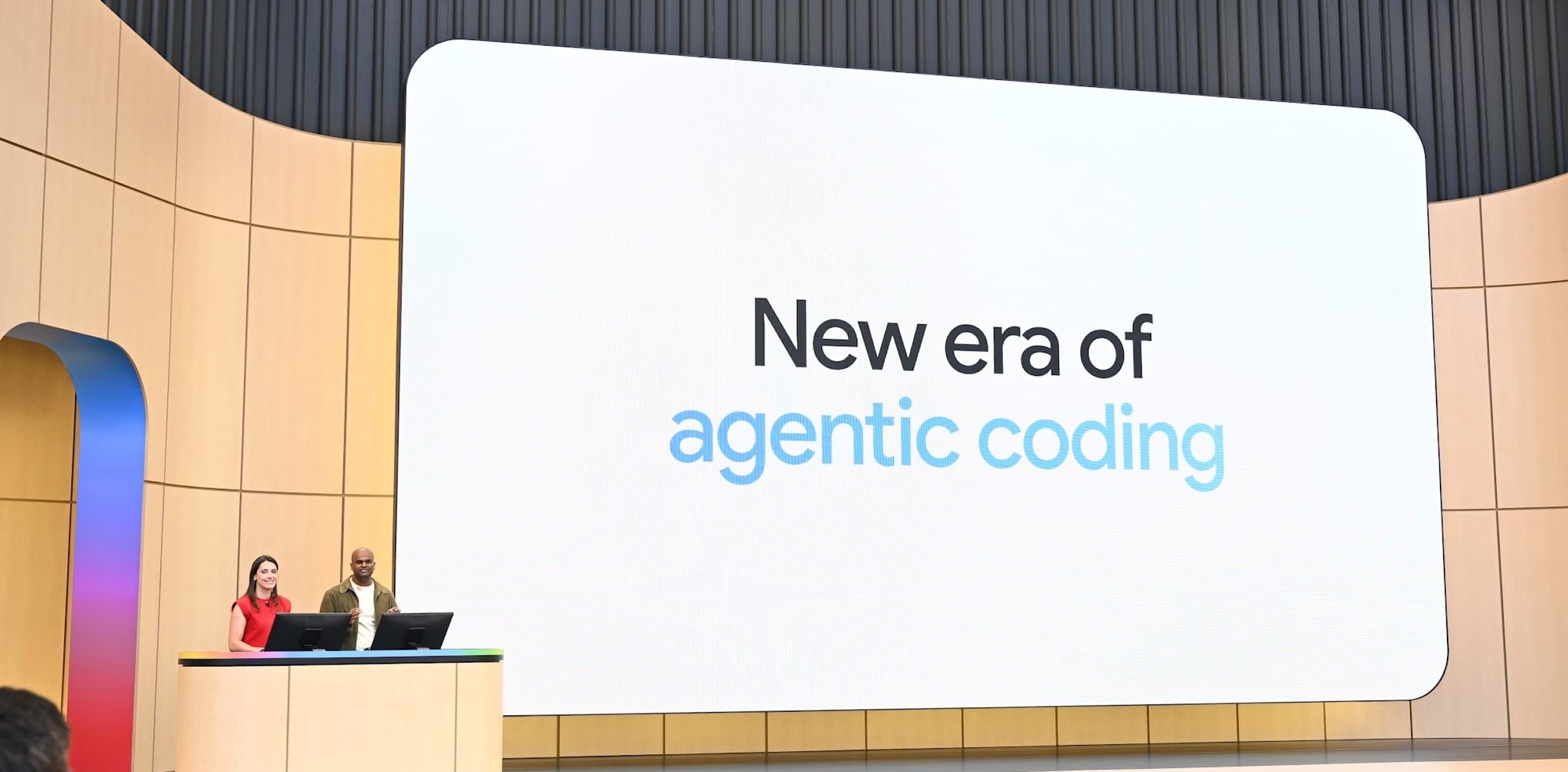
The Three Layers of the AI Tooling Stack, Evaluated for Real Utility
AI infrastructure resolves into three distinct layers: the developer tools that build and observe agents, the enterprise platforms that depl...
Read Article →
AI Tools in 2026: What Actually Works and What Is Overhyped
In 2026 the AI tooling market separates on a single test: demonstrable workflow leverage versus novelty. Durable advantage comes from deep i...
Read Article →
Gemini vs ChatGPT vs Copilot: Which AI Is Best?
Three leading AI assistants, three different jobs — how to match Gemini, ChatGPT, and Copilot to your actual workflow.
Read Article →
The Rise of Generative AI: A Practical Operator Guide
How generative AI creates content, where it adds value, and what it costs to deploy.
Read Article →
How Robo-Advisors Are Democratizing Financial Planning
Algorithms are making professional financial planning accessible, affordable, and always-on.
Read Article →