The Three Layers of the AI Tooling Stack, Evaluated for Real Utility
AI infrastructure resolves into three distinct layers: the developer tools that build and observe agents, the enterprise platforms that deploy them securely, and the applications that put them in front of users. Real utility looks different at each.
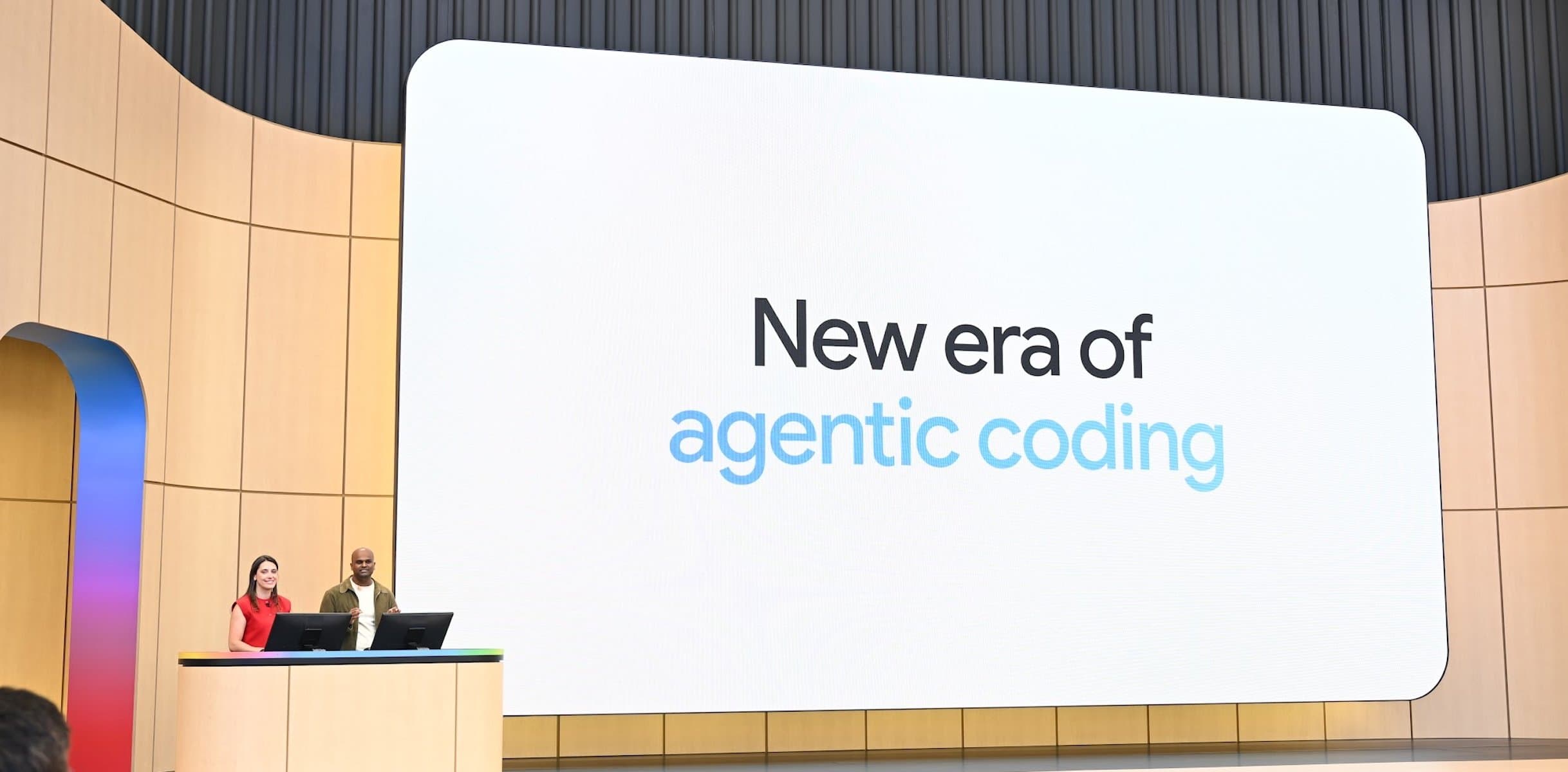
The applications, platforms, and developer tools built on top of AI infrastructure are easiest to understand when you stop treating "AI tools" as one category. Modern AI tooling operates across three core layers — foundational developer infrastructure, enterprise platforms, and user-facing applications — and the question of whether a tool delivers real-world utility has a different answer at each. Real utility comes from platforms that automate reasoning, optimize developer workflows, and ensure reliable, compliant deployments. This is a central thread in our AI coverage.
Developer tools: infrastructure and observability
Building agentic workflows and LLM applications requires specialized environments to handle orchestration, debugging, and tracing. This is where most of the durable engineering value lives, and it is also where the noise is loudest.
Orchestration is the first concern. Visual and code-first builders — n8n is a prominent self-hosted example — let teams assemble complex, multi-step logic and connect proprietary APIs while preserving data sovereignty. The advantage of self-hosting is not ideological; it is that sensitive workflows never leave infrastructure the team controls.
Observability and evaluation are what separate a demo from a production system. Tools such as Langfuse and Arize trace multi-step agent reasoning, evaluate hallucinations, and monitor prompt performance in production. Because an AI agent takes many steps to reach an output, a failure can hide anywhere in the chain — and without tracing, the system is a black box.
AI coding assistants have shifted the paradigm entirely. IDE-integrated tools like Cursor and Claude Code moved the category from line-by-line completion to repository-wide, end-to-end refactoring. The assistant now reasons about the whole codebase, not just the cursor position — the same discipline problem covered in how to prompt AI content tools well, where structure and constraints separate a usable output from filler.
Enterprise platforms: APIs and AI management
Organizations rely on managed platforms to bridge the gap between foundation models and secure, production-ready applications. The model is rarely the hard part; the environment around it is.
Model APIs from providers like OpenAI and Anthropic give developers production-grade, intent-aware reasoning behind a stable interface. Cloud and infrastructure platforms — Amazon Bedrock and IBM Watson Machine Learning among them — provide secure, managed environments where foundation models can be deployed without exposing proprietary data to the open web. Compliance and governance is the layer that makes any of this viable inside a regulated business: infrastructure-management platforms such as WorkOS add real-time threat detection, audit logging, and role-based access control to satisfy enterprise requirements.
The pattern is consistent: at the enterprise layer, value accrues to whoever solves security and governance, not whoever exposes the rawest model.
End-user applications: real-world generative AI
Utility at the application level has matured from simple chatbots into autonomous agents and vertical-specific platforms.
Agentic workflows are now standard for automating business operations, supply-chain logistics, and customer service — the same shift toward system orchestration that lets a single founder run a company at billion-dollar scale without a traditional headcount. Instant app builders like Manus, for full-stack mobile apps, and Lovable, for rapid prototypes, represent practical utility by translating natural language directly into deployable software. Visual and task-management tools — Adobe Firefly for brand asset creation, monday.com for workflow-driven automation — deliver immediate value to non-technical users who never touch a model API.
Which layer is your problem in?
The practical takeaway is that choosing AI tools well begins with locating your problem on the stack. Building a new agentic system from scratch pulls from the developer layer. Integrating AI into an existing business process or codebase under security constraints pulls from the enterprise layer. Putting capability in front of non-technical users pulls from the application layer. Most serious projects touch more than one — and the tools that endure are the ones solving the hard problem at their layer, not the ones wrapping a model in a thin interface.
Explore Related Concepts
Frequently Asked Questions
What are the three layers of the AI tooling stack?
The stack divides into developer infrastructure (orchestration, observability, and coding assistants that build and monitor AI systems), enterprise platforms (managed APIs, cloud environments, and governance layers that deploy models securely), and end-user applications (the autonomous agents, app builders, and vertical tools that put AI in front of users). Utility is evaluated differently at each layer because they solve different problems for different people.
Why is observability so important for AI tools?
Because agentic workflows take multiple reasoning steps, a single bad output can come from any link in a long chain. Observability and evaluation tools trace that chain — surfacing where a hallucination originated, how a prompt performed, and which step failed — so teams can debug systems that would otherwise be opaque. Without it, production AI is unmaintainable.
What separates an enterprise AI platform from a raw model API?
A raw API gives you model access; an enterprise platform adds the layers an organization actually needs to ship — secure managed environments where proprietary data is not exposed, audit logging, role-based access control, and compliance tooling. The model is the easy part. The governance around it is what makes deployment viable inside a regulated business.
How do I know which layer of the stack my problem belongs to?
Ask what you are actually building. If you are constructing a new agentic system, you live in the developer layer. If you are deploying models inside an organization with security and compliance constraints, you are at the enterprise layer. If you want non-technical users to get value without writing code, you are at the application layer. Most real projects touch more than one.